Polished Concrete Floors for Bathrooms in Gloucester
Gloucester's concrete contractor for bathrooms
Polished concrete flooring is becoming more and more popular in residential settings, and bathrooms are no exception to this. We've been laying concrete and polishing the end result for over 20 years now. Get in touch with us to discuss your options and receive a rough estimate.
Contact us
Contact us now by filling in this form, emailing the address below, or calling us on the number provided.
+44 7423 718481
info@gloucesterconcreteflooring.co.uk
Contact us now by filling in this form, emailing the address below, or calling us on the number provided.
+44 7423 718481
info@gloucesterconcreteflooring.co.uk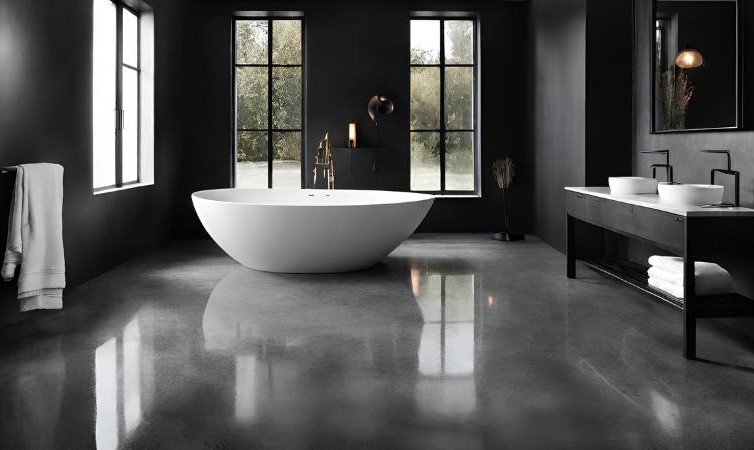
Is Concrete Flooring Waterproof Enough for a Bathroom?
Concrete flooring itself is not completely waterproof but when properly sealed it becomes highly resistant to moisture. A quality sealer protects the surface from water absorption and prevents stains or damage from prolonged exposure to humidity. Without sealing concrete can absorb moisture which can lead to discoloration or surface wear over time. Resealing every few years keeps the protective barrier intact and ensures the floor remains durable. Proper drainage and ventilation also help prevent excess moisture buildup making concrete a reliable option for bathrooms when correctly finished and maintained.
How to Care for Concrete Bathroom Floors to Keep Them Looking Great
Regular cleaning is key to keeping concrete bathroom floors in good condition. Sweeping or vacuuming removes dust and debris while mopping with a mild cleaner and warm water helps prevent buildup. Harsh chemicals should be avoided as they can wear down the sealant over time. Wiping up spills quickly prevents staining especially from products like shampoo or soap that can leave residue. Using rugs or mats near the sink and shower adds extra protection in areas that see the most water.
Sealing the floor every few years protects it from moisture stains and daily wear. A good quality sealer keeps water from absorbing into the surface and makes spills easier to clean. If the floor starts to look dull reapplying a sealer restores its protective layer and enhances its appearance.
Concrete vs Tile in Bathrooms Which is the Better Choice?
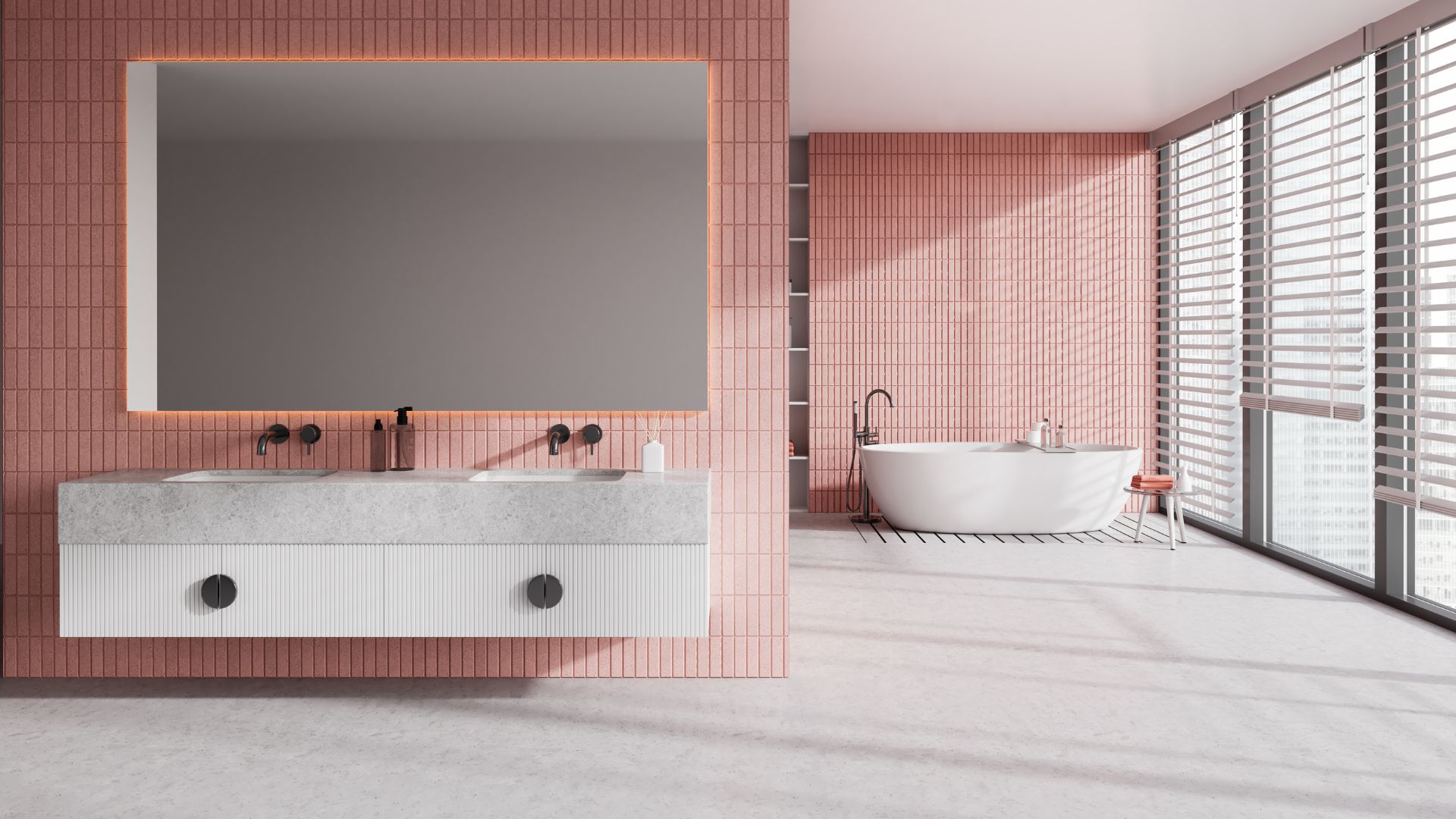
Concrete provides a seamless surface with no grout lines, making it easier to clean and less prone to mold or mildew buildup. When properly sealed, it resists moisture and stains and requires little effort to keep in good condition. Tile, while also water resistant, has grout lines that need regular scrubbing to prevent discoloration and mold growth.
In terms of durability, both materials hold up well in a bathroom environment. Concrete is less likely to crack or chip compared to individual tiles, which can break over time and require replacement. However, concrete can develop hairline cracks, though they are usually cosmetic and do not affect its strength.
Comfort is another factor to consider. Tile can feel cold and hard underfoot, especially in colder months, while concrete has better heat retention and works well with radiant heating systems. Rugs or mats can help improve warmth and comfort for both materials.
Tile offers more design variety with different colors, patterns, and textures, but concrete is highly customizable with staining, polishing, or texturing to achieve a range of looks. Which takes us into our next point about customisation.
How to Customise a Concrete Bathroom Floor with Colour and Texture
Concrete bathroom floors can be customized in many ways to match different styles and preferences. Adding color is one of the most effective ways to enhance the look of a concrete floor. Stains and dyes create rich natural looking tones that soak into the surface giving it depth and variation. Integral color is mixed into the concrete before pouring resulting in a uniform shade throughout the floor. Epoxy coatings can also add vibrant or high gloss finishes for a more unique design.
Texture plays a big role in both appearance and functionality. A polished surface creates a smooth and reflective finish while a matte or lightly textured finish adds grip for better slip resistance. Stamped concrete can mimic the look of stone tile or even wood bringing in more character. Exposed aggregate reveals natural stones within the concrete adding both texture and visual interest.