Polished Concrete Flooring for Conservatories in Gloucester
Gloucester's choice for conservatory flooring
Our team have been laying and polishing concrete floors for over 20 years. We pour the perfect mix of concrete for your chosen finish, so that when we grind off that top layer it reveals either a high sheen or a nice exposed aggregate.
Contact us
Contact us now by filling in this form, emailing the address below, or calling us on the number provided.
+44 7423 718481
info@gloucesterconcreteflooring.co.uk
Contact us now by filling in this form, emailing the address below, or calling us on the number provided.
+44 7423 718481
info@gloucesterconcreteflooring.co.uk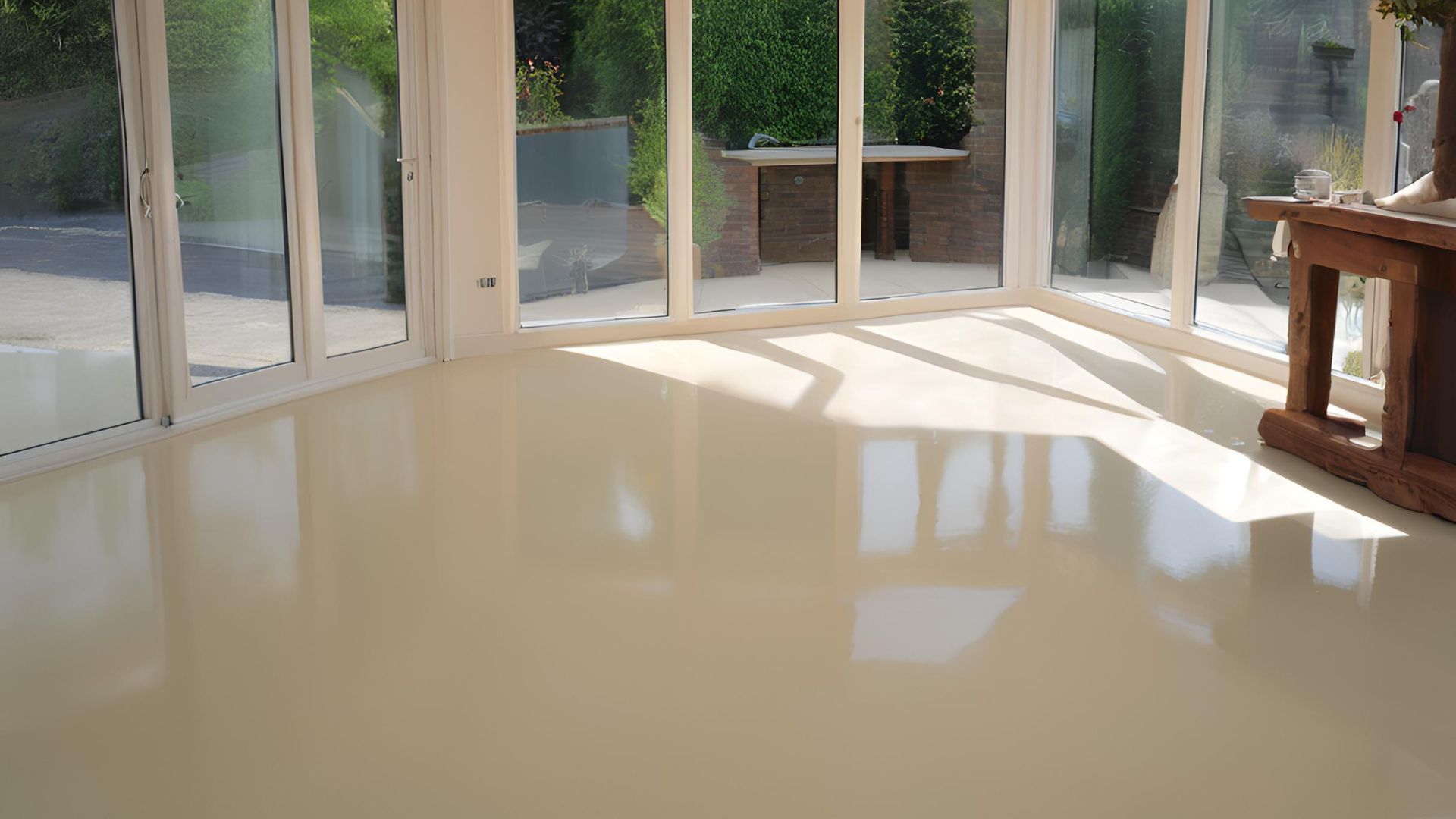
Why Choosing a Concrete Floor for Your Conservatory is a Smart Choice
A concrete floor in your conservatory is like having a rock solid foundation that stands the test of time. It will not throw a tantrum with temperature changes, will not warp when the weather shifts, and definitely will not squeak like a wooden floor might. You lay it down once and it is good to go, handling foot traffic, furniture shuffling, and the occasional spill without batting an eye.
Think of it as the strong silent type. It will not crack under pressure and it is always ready to handle whatever you throw at it. It holds onto heat when the sun is out and does not turn into an ice rink in cooler months, making your conservatory a comfortable space year round.
And let us talk about flexibility. Whether you like the natural earthy look or want to dress it up with tiles, stains, or even a polished finish, concrete is like a blank canvas just waiting for your personal touch. It does not fuss, it does not demand much, and it is always up for the challenge.
Styling your Conservatory Concrete Floor
If you like a natural, earthy feel, a simple polish brings out the character in the concrete itself. A smooth, reflective finish adds a bit of brightness, while a matte finish keeps things understated and warm. Staining is another way to add depth, whether you go for rich browns, cool grays, or even a touch of color to complement your decor.
For a bit more personality, stamping or scoring gives the floor texture and pattern. You can create the look of stone, brick, or tiles without the hassle of grout lines. If you want a one of a kind touch, decorative stencils or hand finished designs can turn the floor into a statement piece.
Rugs work well to add warmth underfoot and break up the space, whether you prefer soft neutrals or bold patterns. Furniture choices also make a difference. Wood and natural fibers bring out a rustic charm, while metal and glass play up a more refined look.
How to Protect a Concrete Conservatory Floor from Wear and Tear
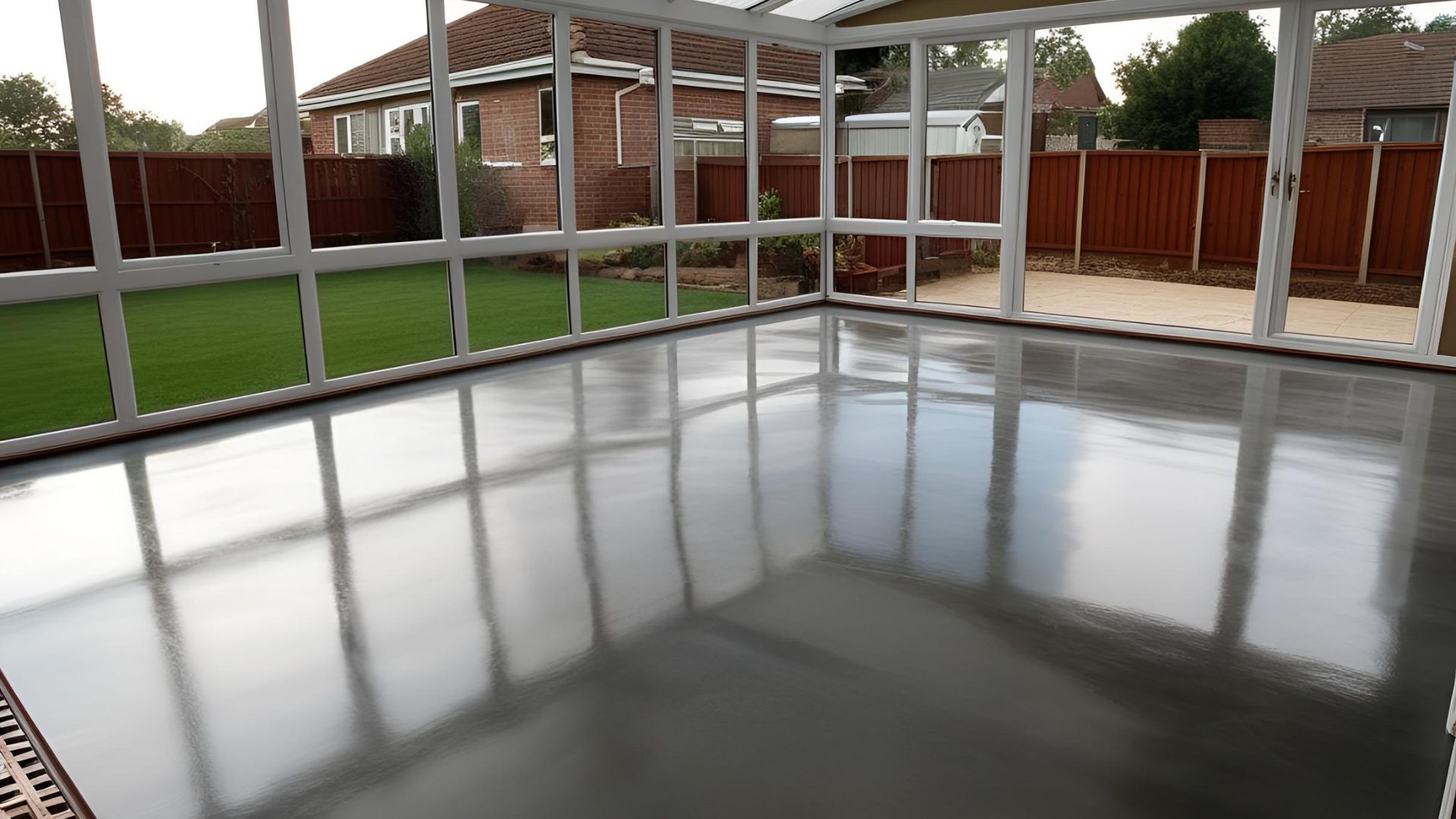
A proper sealant is your best friend. Think of it like a raincoat for your floor, keeping out moisture, stains, and anything else that tries to sneak in. Apply it when the floor is new and refresh it every so often to keep that barrier strong.
Dirt and grit might seem harmless, but over time they act like sandpaper underfoot. A quick sweep or mop keeps them from scratching the surface and keeps the floor looking fresh. If something spills, wipe it up before it has a chance to settle in. Concrete is tough, but it appreciates a little quick action now and then.
Furniture is not much of a problem, but adding felt pads under heavy pieces helps avoid scuff marks when things get moved around. If your conservatory sees a lot of foot traffic, a well placed rug or two can take the brunt of the wear without taking away from the look of the floor.
How to Install Concrete Over an Old Conservatory Floor Without Removing It
First things first, the existing floor needs a good cleaning. Any dust, dirt, grease, or loose material has to go. A pressure wash or a good scrub with a degreaser gets rid of anything that might stop the new concrete from sticking. If there are any cracks or uneven spots, patch them up so the new layer has a solid base to sit on.
Next, a bonding agent is key. Think of it like glue for concrete. Brushing or rolling on a concrete bonding primer helps the new layer grab onto the old floor instead of just sitting on top. If you want extra grip, you can rough up the surface with a grinder or a special etching solution before applying the bonding agent.
Now comes the fresh concrete. A self leveling overlay is a great option if you just need a smooth, even finish. If you want something thicker and more durable, a new concrete layer a couple of inches deep will do the trick. Pour it out, spread it evenly, and smooth it with a trowel or screed. If you want a decorative finish, now is the time to add stains, textures, or patterns.
Once the concrete is in place, let it cure properly. Keep it lightly damp for the first few days to prevent cracking and give it enough time to set up strong. After it is fully cured, a good sealant locks everything in and protects it from wear and tear.